
Organic Lawn Care
* Enhance your whole garden with organic lawn care,* Turn problem greens into perfect pitches,
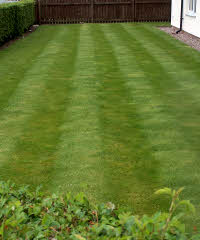
* How to grow attractive friendly lawns. Many gardeners take pride in growing lawns that are richly green, weed free and even. And a fine front-of-house lawn is the standard bearer of many a stately looking garden. But there are alternatives.
On the-organic-gardener.com you'll learn more than how to grow and maintain a beautiful lawn. You'll also discover less conventional ways to grow lawns that are perhaps even more beautiful. And I explain how to use your organic lawn to add value to your whole garden.
What Kind Of Lawn?
- Ornamental Lawns - fine, richly green and neatly edged lawns to set off beds of beautiful flowers,
- Greens - level and uniform greens suitable for bowling, putting or croquet,
- Play lawns - hard wearing play lawns for rough-and-tumble ball games,
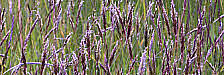
- Flowering lawns - grass with small flowers to make a patchwork of colors and attract birds, bees and butterflies to your garden,
- Scented lawns - fill the air with perfume when you cut or walk on them and whenever the sun shines,
- Herb meadows and pasture lawns - blend your boundaries into a walk on the wild side. Check out this link to compare lawn styles and discover the rich and beautiful ways to be green.
Organic Lawns - an opportunity
The importance of lawns goes beyond their looks or a fashion statement. Organic lawns are indeed a valuable resource that you can use to feed the rest of your garden. But only if you avoid using expensive feedn'weed chemicals.So before laying the foundation for a new organic lawn let's consider the alternatives. They're all detailed on this link to my page about discovering your favourite lawn style.
Furthermore, when you opt to grow flowering lawns you also attract friendly creatures that help you protect your garden plants. So why not consider the organic lawn care alternatives outlined on this link... Check below if you want to learn more about organic lawn maintenance.
Lawn Mowers That Cut
Your Kind Of Lawn
Get the right machine for your job...
Lawn conditions vary considerably and many types of machines are available to cut grass. So take a look at this information to find the right lawn mower to suit your particular lawn and your lifestyle. The differences between them can make your lawn mowing job much easier.
Lawn Maintenance
You can learn more about regular lawn maintenance with this link. Are you looking to solve problems in your lawn? You'll see new and updated pages to help you solve organic lawn care problems and maintain your lawn in tip-top condition. Check out the seasonal organic lawn care guide on the link.Lawn Weeds And Moss
Many gardeners experience problems with lawn weeds and moss. So the-organic-gardener.com provides a special page to help you find the cause and an organic lawn care remedy for lawn weeds and moss.
Organic Lawn Care
- how to make your lawn work for you
Organic gardeners must question whether the time and work devoted to regular grass cutting is really necessary. Yet below I explain how you can still have a fine lawn and feed your organic garden.
There are many practical benefits to enjoy with organic lawn care. You save both on weed killers and on fertilizer. Because by recycling your lawn trimmings you are effectively re-using your lawn as fertilizer. And you do that by turning lawn trimmings into garden compost. The best compost bins for lawn trimmings are described on this link.
Using up excess lawn trimmings
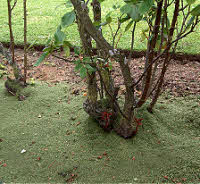 The bigger your garden the better because you really can't have too many lawn trimmings. But when you don't have enough compost bins to cope, there are several alternative ways to use them.
- Mulch your garden with lawn trimmings - they conserve moisture, and feed soil,
- Mulch potatoes - lawn trimmings protect the tubers from light,
- Don't forget to care for hedges - mulch hedges after you cut the grass,
- Mulch broad-leaved shrubs that have an open habit - including roses,
- On hot summer days leave fine grass cuttings on the lawn. Either don't use the grass box or use a mulching mower. This feeds the grass, helps retain moisture and you get a nice springy turf,
- And when you've got acres of grass to cut, consider converting some of it to an alternative lawn style that doesn't require cutting so frequently,
All Green And Friendly Here
|
Compare Lawn Styles |
Suitable Lawn Mowers |
New Lawns & Repairs |
Practical Lawn Mowing |
Maintenance For Better Lawns |
Lawn Weeds |
Lawn Fertilizer |
Use Your Grass Again And Again
The value of recycling grass in an organic garden can't be over emphasised. So when you have more grass than you need, consider these additional advantages.-
You can lift and stack your extra grass as turfs to make garden loam. Then use this to make seed and potting compost. It will be relatively weed-free.
Then grow beans and clovers and re-sow grass to make even more turfs. - When your grass comes from a meadow you can make hay or straw. This can be used as mulch as explained above.
Find more information on the-organic-gardener.com:
ALSO on the-organic-gardener.com
-
Organic Lawns -
Organic Fertilizer -
Growing Potatoes -
Growing Flowers -
Grow Seeds -
Tool Shed -
Power Tools -
Garden Shredders -
Garden Compost -
Garden Gifts -
Garden Books -
Runner Beans -
Garden Mulch -
Watering -
Moving Shrubs -
Organic Weed Control -
Organic Garden Pest Control -
Gardening Diary/Blog -
About Organic -
My Neighbour's Garden Plots
Do you run a gardening website - with information to interest my visitors? To set up exchange links from/to suitable pages - click here.

Custom Search
- The Home Of The Organic Gardener - growing naturally, pure and beautiful.
^ Top of the Greens

Copyright © The Organic Gardener.Com 2004 - 2020.

[?] Subscribe To This Site


- Organic Garden Blog
- Grow More Flowers
- Grow From Seeds
- Grow Better Lawns
- Grow Potatoes
- Organic Fertilizer
- Weed Control
- Garden Tool Shed
- Garden Power Tools
- Garden Shredders
- Grow With Compost
- Gardening Gifts
- Gardening Books
- Crop Rotation
- Organic Pest Control
- Runner Beans
- Mulch It
- Garden Watering
- Moving Shrubs
- About Organic
- About the Gardener
- Organic Links
- Contact the Gardener
- Privacy Policy
- Organic Garden Blog
- Grow More Flowers
- Grow From Seeds
- Grow Better Lawns
- Grow Potatoes
- Organic Fertilizer
- Weed Control
- Garden Tool Shed
- Garden Power Tools
- Garden Shredders
- Grow With Compost
- Gardening Gifts
- Gardening Books
- Crop Rotation
- Organic Pest Control
- Runner Beans
- Mulch It
- Garden Watering
- Moving Shrubs
- About Organic
- About the Gardener
- Organic Links
- Contact the Gardener
- Privacy Policy